 Pin It
 The first time I understood what it meant to bake for the moment rather than for perfection, I was standing in front of Ina's brownie pudding recipe on a rainy Thursday evening. My kitchen smelled like melting chocolate and possibility, and I realized this wasn't about achieving a flawless dessert—it was about creating something intentionally imperfect, where the gooey center wasn't a mistake but the entire point. That shift changed how I approached baking altogether.
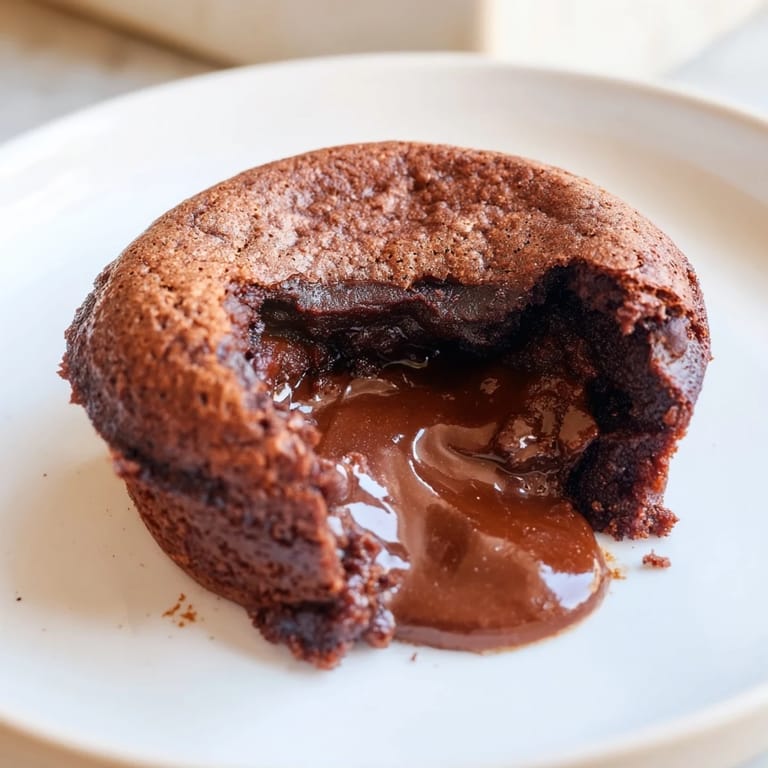
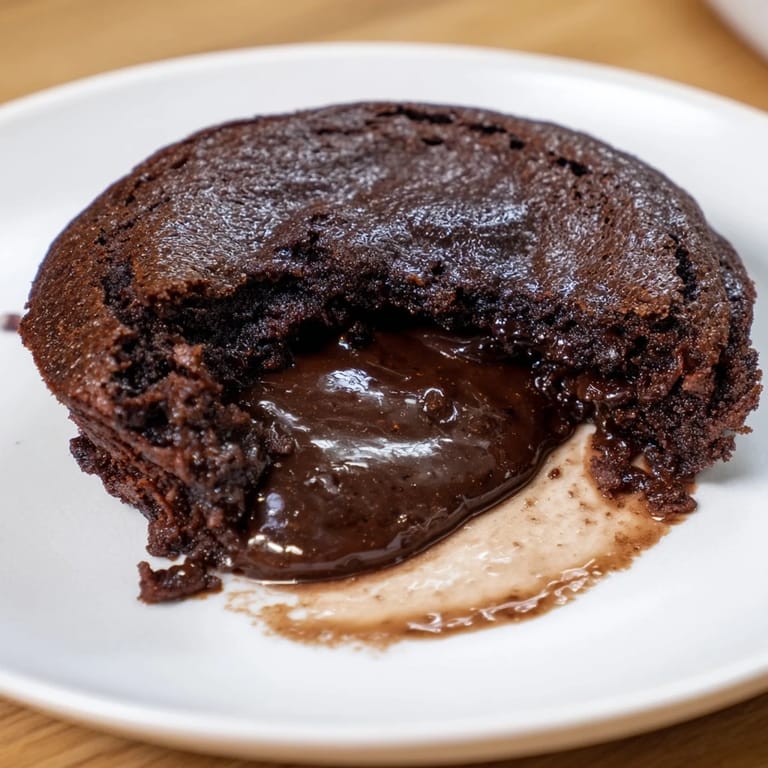
I made this for friends who showed up unannounced on a winter Saturday, and I watched their faces when they discovered the pudding layer—that moment of delighted surprise when they realized this wasn't just a brownie. One friend actually said, "Wait, is there supposed to be this much... situation in the middle?" and then went quiet while they ate it. Sometimes food just creates these small, perfect moments without trying.
Ingredients
- Unsalted butter and semisweet chocolate: The foundation of everything here—when you melt them together over a water bath, you're creating the smooth, glossy base that will give you that crackly top layer. Don't rush this step; melting slowly means your chocolate stays silky instead of seizing up.
- Eggs and sugar: This is where the magic happens—beating them for 5 to 10 minutes isn't about impatience, it's about incorporating air and creating that ribbon-like texture that keeps the cake from being dense.
- All-purpose flour and cocoa powder: Sift these together before folding them in; it feels like an extra step, but it prevents those bitter little pockets of cocoa that can hide in the batter.
- Vanilla extract and kosher salt: The vanilla rounds out the chocolate, while salt does the quiet work of making everything taste more like itself.
- Vanilla ice cream or whipped cream: Optional but really not, because the warmth of the pudding melting cold cream is where this recipe finds its true purpose.
Tired of Takeout? 🥡
Get 10 meals you can make faster than delivery arrives. Seriously.
One email. No spam. Unsubscribe anytime.
Instructions
- Set up your water bath stage:
- Preheat your oven to 325°F and butter a 2-quart baking dish thoroughly—this isn't fussy, it's protective. You'll need a larger roasting pan waiting nearby because this dessert wants to cook gently, surrounded by warmth.
- Melt chocolate like you mean it:
- Set a heatproof bowl over simmering water and add your butter and chopped chocolate together, stirring occasionally until everything is smooth and unified. Let it cool just slightly after removing from heat—you don't want it warm enough to scramble the eggs you're about to add.
- Whip eggs and sugar into clouds:
- In your mixer, beat the eggs and sugar on medium-high speed for a full 5 to 10 minutes until the mixture is thick, pale, and falls off the beaters in ribbons. This isn't show-off baking; this incorporation of air is what creates the cake structure that will eventually give way to pudding.
- Combine your chocolate into the lightness:
- Reduce the mixer to low speed, add vanilla and salt, then pour in your cooled chocolate mixture, mixing just until the streaks disappear. You want this folded in gently, not beaten into submission.
- Incorporate flour and cocoa with a gentle hand:
- Sift your flour and cocoa powder together, then use a spatula to fold it into the batter—turn the bowl, scrape from the bottom, fold over the top, turn again—until no white streaks remain but you haven't deflated all that careful air incorporation.
- Create the water bath sanctuary:
- Pour your batter into the prepared dish, then set that dish into your larger roasting pan. Add hot tap water until it reaches halfway up the sides of the baking dish—this water bath ensures gentle, even cooking.
- Bake until the top cracks and the center whispers:
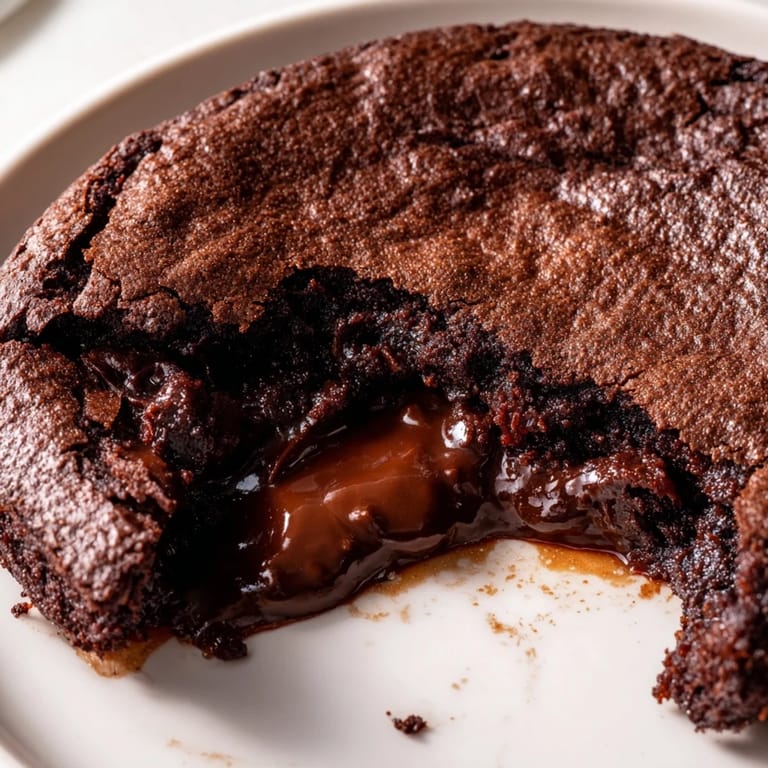
- Bake for 1 hour until the surface is set and shows those beautiful cracks, but the center still jiggles slightly when you gently shake the pan. This is the whole point—you're looking for that contrast between structure and softness.
- Rest before serving:
- Remove the dish from the water bath and let it cool for at least 15 minutes so the pudding layer sets slightly. Serve warm, ideally with vanilla ice cream that will melt into the warmth.
 Pin It
 There's something quietly powerful about serving a dessert that surprises people—something that looks like one thing and reveals itself as another. This pudding does that, and it's become one of those recipes I make when I want to remind people that dessert can be more than sweetness, more than a simple finish to a meal.
The Water Bath Secret
The water bath isn't a complicated technique—it's actually gentleness in action. When you surround your baking dish with warm water, you're creating an environment where heat transfers evenly and slowly, preventing the edges from setting too quickly while the center stays soft. This is why the pudding layer stays creamy instead of cooking solid. I've learned that skipping the water bath creates a dense brownie instead of this layered wonder, so it's genuinely worth the extra step.
Chocolate Choices and Flavor Depth
Semisweet chocolate is the starting point, but this recipe is flexible enough to follow your preferences. If you love deeper, more complex chocolate flavor, bittersweet chocolate will give you that sophisticated edge, and adding a pinch of espresso powder to the batter creates this subtle background note that makes people ask, "What is that?" without ever landing on espresso. I've experimented with different chocolate percentages, and the magic stays consistent as long as you're using quality chocolate that melts smooth.
Timing and Temperature Notes
The 325°F temperature is lower than you might expect, and that's entirely intentional—it keeps the edges from setting hard while allowing the center to stay molten. Baking time hovers around 1 hour, but every oven has its own personality. Start checking at 55 minutes by gently shaking the pan; the top should look set and crackly, but there should still be a slight jiggle in the very center. This recipe rewards patience and gentle handling, from mixing to baking to serving.
- Room temperature eggs whip fuller and create more volume in your batter.
- Don't open the oven door frequently—every opening drops the temperature and disrupts the gentle cooking process.
- Let the pudding rest after baking so the layers have a chance to set slightly before serving.
 Pin It
 This brownie pudding has become my answer to the question of what to bake when I want something that feels both indulgent and effortless. It's one of those recipes that reminds me why people gather around food in the first place.
Recipe FAQs
- → What chocolate is best for this dessert?
Semisweet chocolate provides a balanced sweetness and rich flavor, but bittersweet can be used for a deeper chocolate taste.
- → Why use a water bath during baking?
The water bath ensures gentle, even heat which creates the soft, pudding-like center while setting the top layer.
- → Can I make this dessert ahead of time?
It's best served warm, but you can prepare it ahead and gently reheat before serving without compromising texture.
- → What is the texture contrast in this dessert?
The dessert features a crisp, crackly top contrasting with a soft, molten center for a delightful experience.
- → What toppings complement this dish?
Vanilla ice cream or lightly sweetened whipped cream enhance the richness and add a creamy contrast.