 Pin It
 My friend Sarah texted me at 3 PM asking what to make for dinner that wouldn't derail her new eating habits, and I found myself thinking about potstickers, those crispy pockets I'd eaten at a tiny dim sum place years ago. The flavor came rushing back: ginger, soy, that subtle sweetness of hoisin. But then I realized she wanted something without all the carbs and fussing. So I started playing around in my kitchen that evening, and these lettuce cups happened almost by accident, delivering everything I loved about potstickers in a lighter, fresher form.
Last month I made these for my book club, and watching everyone construct their own wraps at the table was the moment I realized this recipe was different. Someone said it felt "like we're eating at a restaurant but without leaving the house," and honestly, that's exactly what I was going for. The kitchen had smelled incredible for fifteen minutes while the turkey cooked, and the whole meal came together so naturally that I forgot I'd invented it just weeks before.
Ingredients
- Ground turkey: Lean ground turkey keeps things light while delivering serious protein; I learned to cook it over medium-high heat so it browns properly instead of steaming itself into gray submission.
- Shirataki or rice noodles: Shirataki noodles are the low-carb workhorse here, but they need a thorough rinse and pat-dry or they'll taste slightly off; rice noodles work beautifully if you prefer something with more texture.
- Garlic and ginger: These two create the backbone of that potsticker flavor, so fresh is non-negotiable; mincing them finely ensures they distribute evenly throughout the filling.
- Carrots and cabbage: Beyond just vegetables, they add a pleasant crunch that contrasts with the soft noodles, and they cook down just enough in a few minutes.
- Soy sauce, rice vinegar, hoisin sauce, sesame oil: This combination tastes like the soul of an Asian kitchen; the rice vinegar adds brightness that keeps the dish from feeling one-dimensional.
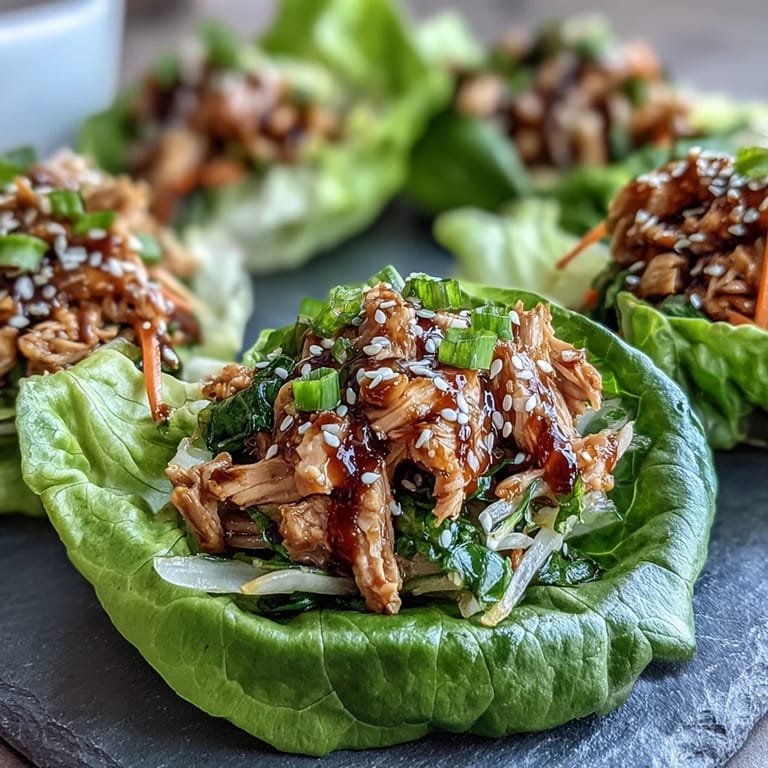
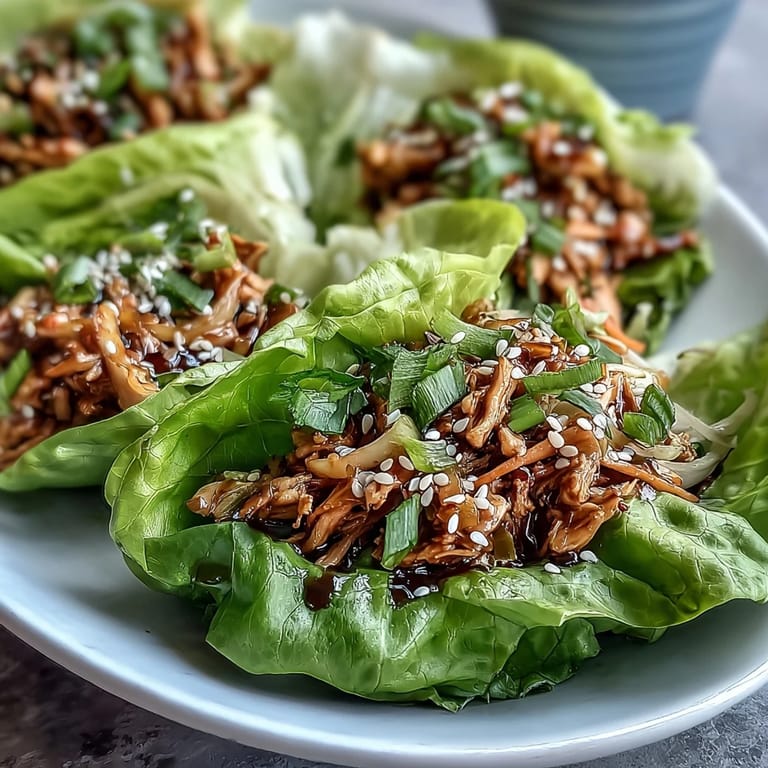
- Butter lettuce leaves: Large, tender, and mild-flavored, butter lettuce cradles the filling perfectly without the bitterness of romaine or the rigidity of iceberg.
Tired of Takeout? 🥡
Get 10 meals you can make faster than delivery arrives. Seriously.
One email. No spam. Unsubscribe anytime.
Instructions
- Prepare your noodles with care:
- If using shirataki, rinse them thoroughly under cool water and pat them completely dry with a paper towel, as excess moisture will water down your sauce later. For rice noodles, cook according to package directions, drain well, and set aside to cool slightly.
- Brown the turkey properly:
- Heat your oil until you can feel the warmth radiating from the pan, then add the turkey and resist the urge to stir constantly. Let it sit in the pan for a minute or two, breaking it into chunks with your spoon, so it develops a light brown crust instead of turning gray.
- Build the aromatics:
- Once the turkey is mostly cooked through, add your minced garlic and ginger along with half the green onions. The kitchen will smell incredible within seconds, and that's your signal to keep moving so nothing burns.
- Add the vegetables:
- Toss in your shredded carrots and cabbage, stirring occasionally for about two or three minutes until they soften slightly but still retain some snap. They should smell sweet and slightly caramelized at the edges.
- Make your sauce shine:
- In a small bowl, whisk together your soy sauce, rice vinegar, hoisin, sesame oil, and chili garlic sauce if you want a little heat. Taste it on a spoon before it goes into the pan; it should make your mouth water slightly.
- Bring everything together:
- Add your cooked noodles and sauce to the skillet, tossing everything for two to three minutes until it's heated through and the noodles have absorbed some of that savory liquid. The pan should smell like a potsticker restaurant at this point.
- Assemble with intention:
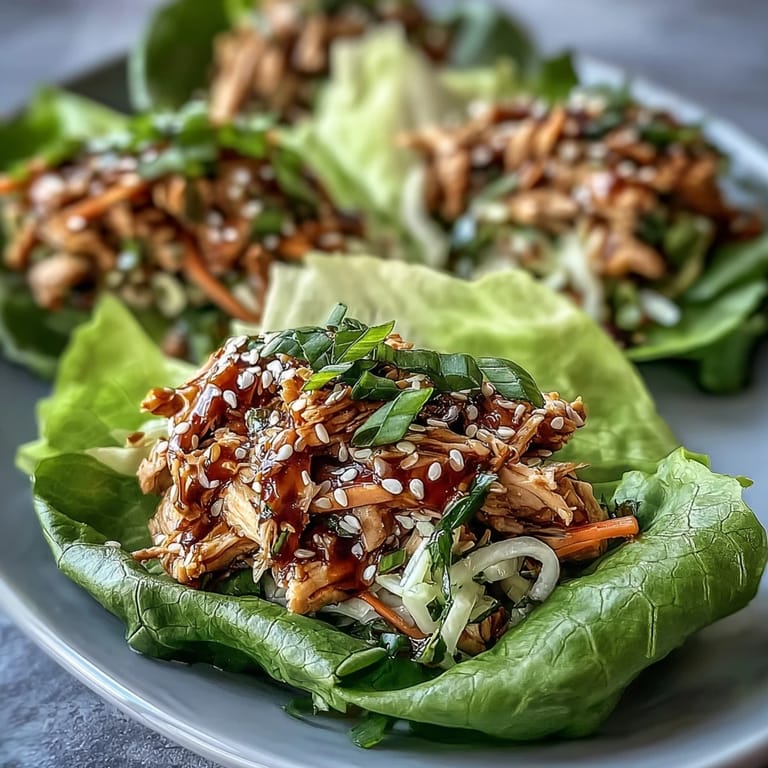
- Spoon the warm turkey noodle mixture into the center of each lettuce leaf, then top with remaining green onions, sesame seeds, and fresh herbs. The lettuce will hold everything beautifully if you don't overstuff.
 Pin It
 My neighbor stopped by one evening as I was plating these, and she sat down uninvited to try one. She took a bite and got that look people get when food surprises them in the best way, and we ended up talking for an hour about how eating lighter doesn't have to mean eating sad. That moment crystallized something I'd been learning in my kitchen: that the most satisfying meals are often the ones where you haven't sacrificed flavor for health.
The Potsticker Flavor, Reimagined
The magic of a potsticker lives in its combination of soy, ginger, and sesame, and those flavors shine even brighter when they're not trapped inside fried dough. Here, the sauce coats delicate noodles and tender turkey instead, and somehow that feels more authentic to what you're actually tasting. Every bite tastes intentional rather than accidental.
Assembly as Theater
There's something about building these wraps at the table that changes the entire eating experience, turning dinner into a moment rather than just something you do to fuel your body. When people assemble their own, they customize the ratio of filling to lettuce, choose whether they want the sesame seeds or herbs, and suddenly they're invested in the meal. It also means nobody's eating cold food because everything comes together hot and fresh right in front of them.
Variations and Personalization
This recipe is endlessly flexible because the framework is so clean and simple. Vegetarians can swap the turkey for crumbled firm tofu or a plant-based ground meat, and the dish won't feel like a compromise, just a different version of the same excellent thing. I've added water chestnuts for extra crunch, traded the sesame oil for a splash of chili oil when I wanted more heat, and once even used crispy shallots instead of sesame seeds when I found myself without them.
- Mushrooms, diced small and cooked with the carrots, add earthy depth that complements the ginger beautifully.
- A drizzle of sriracha or chili oil on top transforms the dish for anyone who loves heat more than I do.
- Fresh lime juice squeezed over the finished cups adds brightness and keeps everything from tasting too heavy.
 Pin It
 These lettuce cups proved to me that eating well and eating joyfully aren't separate things. This dish lives in that beautiful space where you feel satisfied and energized instead of weighed down.
Recipe FAQs
- → Can I make the turkey noodle filling ahead of time?
Yes, prepare the filling up to 2 days in advance and store in an airtight container in the refrigerator. Reheat gently before serving in lettuce cups. The filling actually develops more flavor as it sits.
- → What's the best substitute for shirataki noodles?
Rice noodles work beautifully and offer a similar texture. For extra vegetables, try spiralized zucchini or shredded cabbage noodles. Glass noodles are another great option that absorbs the Asian flavors well.
- → How do I keep lettuce cups from getting soggy?
Wash and thoroughly dry the lettuce leaves before serving. Keep the filling warm rather than piping hot, and assemble just before eating. You can also serve the filling separately and let guests build their own cups.
- → Can I use ground pork or chicken instead of turkey?
Absolutely. Ground pork is traditional in potsticker fillings and adds richness. Ground chicken works similarly to turkey—both lean options pair well with the bold Asian seasonings.
- → What other vegetables can I add to the filling?
Water chestnuts add authentic crunch, while thinly sliced bell peppers or snap peas contribute color and texture. Shiitake mushrooms bring umami depth that complements the savory turkey beautifully.
- → Is this dish gluten-free?
It can be with adjustments. Use gluten-free tamari instead of soy sauce, verify your hoisin is gluten-free, and choose rice or shirataki noodles over wheat-based options. Always check labels on packaged sauces.