 Pin It
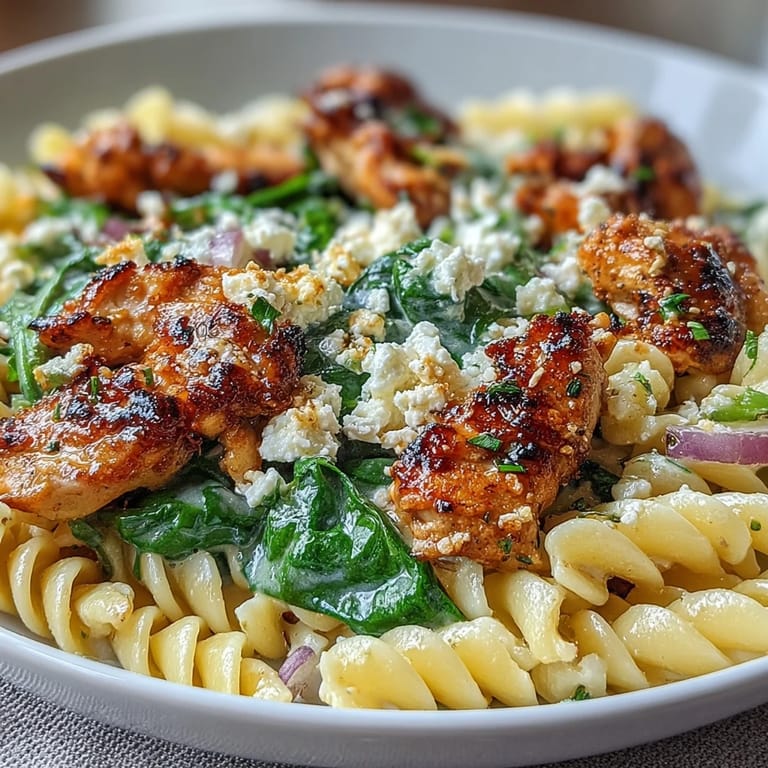
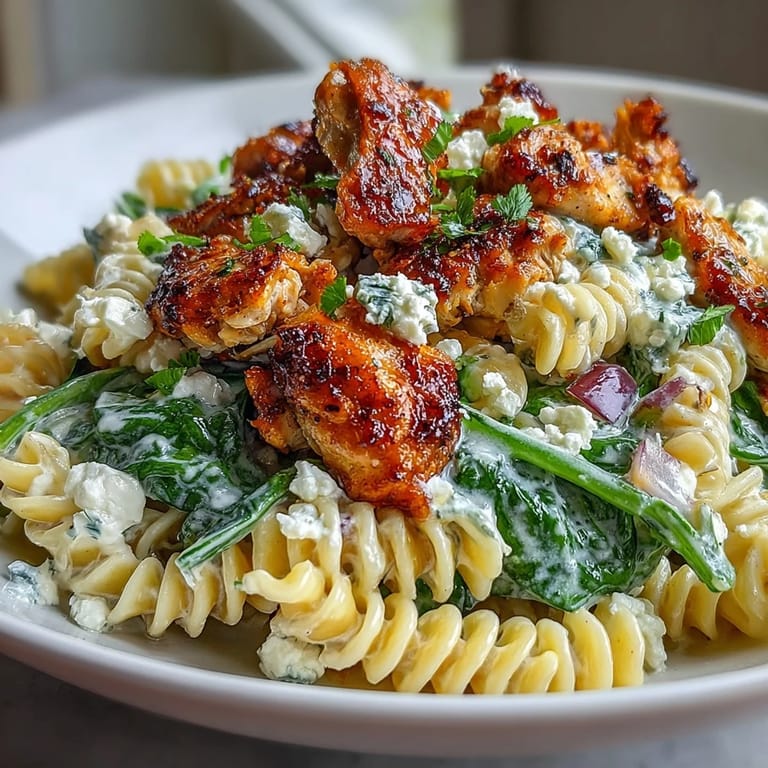
 There's something about the way lemon and feta come together that transported me straight to a sunny Greek island, even though I was standing in my tiny apartment kitchen on a gray Tuesday night. My neighbor had just returned from Santorini and wouldn't stop raving about this one-pan meal she'd discovered at a family taverna, so naturally I had to recreate it immediately. The first time I made it, I didn't have Greek yogurt on hand, but I grabbed some plain yogurt anyway and the result was so creamy and comforting that I've never looked back. Now whenever life feels a bit chaotic, this skillet becomes my edible escape route—ready in under 45 minutes and tasting like a Mediterranean dream.
I'll never forget the evening my usually picky eater asked for seconds without being prompted—that's when I knew this dish had crossed into keeper territory. The way the yogurt cream clings to each piece of pasta while the warm feta softens into the sauce is pure comfort in a bowl. My sister came over unannounced last summer, and I threw this together while we caught up, and she literally started planning when she could make it at home before even finishing her plate.
Ingredients
- Boneless, skinless chicken breast (500 g): Cut into bite-sized pieces so they cook quickly and absorb the lemon-oregano marinade beautifully—I learned the hard way that smaller pieces stay tender and juicy.
- Olive oil (4 tbsp total): Use good quality oil here since it's doing real work flavoring both the marinade and the sauté; it makes a noticeable difference.
- Lemon (zest and juice of 1): This is your brightness anchor, so don't skip the zest—it carries more punch than juice alone.
- Garlic cloves (2, minced): Mince them fine so they distribute evenly and cook into the oil without burning.
- Dried oregano (1 tsp): The signature herb that whispers Mediterranean into every bite; dried works better than fresh here since it's more concentrated.
- Short pasta (300 g): Penne or fusilli work best because their ridges and curls grab the creamy sauce like little sauce-catching vessels.
- Red onion (1 small, finely chopped): The gentle sharpness plays beautifully against the creaminess, but chop it small so it softens completely.
- Baby spinach (100 g): It wilts down dramatically, so don't be alarmed by the apparent pile—it'll nestle into the sauce.
- Crumbled feta cheese (120 g): Look for good quality feta; cheaper versions can taste salty and chalky, while better ones melt into the sauce with genuine flavor.
- Plain Greek yogurt (180 ml): Use full-fat if you can find it—it's creamier and won't split when heated, which I discovered after a kitchen mishap.
- Reserved pasta cooking water (120 ml): This starchy liquid is what transforms yogurt and feta into silky sauce magic, so definitely save it.
Tired of Takeout? 🥡
Get 10 meals you can make faster than delivery arrives. Seriously.
One email. No spam. Unsubscribe anytime.
Instructions
- Marinate the chicken in bright Mediterranean flavors:
- Combine your chicken pieces in a bowl with olive oil, lemon zest and juice, minced garlic, oregano, salt, and pepper, stirring so every piece gets coated. Even 10 minutes makes a difference, but if you have time, let it sit for up to an hour so the lemon and oregano really seep in.
- Get your pasta cooking and reserve the liquid gold:
- Bring a large pot of salted water to a boil and add your pasta, cooking it until it's just shy of completely tender—you want a slight bite remaining since it'll soften more in the skillet. Before draining, scoop out and set aside about half a cup of that starchy cooking water, which is your secret weapon for the creamy sauce.
- Sear the chicken until it's golden and cooked through:
- Heat 2 tablespoons of olive oil in your large skillet over medium-high heat until it's shimmering and almost smoking. Add the marinated chicken pieces in a single layer and let them sit undisturbed for a couple of minutes so they develop a golden crust, then stir and cook until they're cooked all the way through, about 5 to 7 minutes total. Transfer the cooked chicken to a clean plate.
- Build layers of flavor with the red onion:
- In that same skillet with all the browned bits clinging to the bottom, add your finely chopped red onion and let it soften and become slightly translucent, about 2 to 3 minutes. Those caramelized bits will dissolve into the sauce and add incredible depth.
- Wilt the spinach into submission:
- Toss in your baby spinach and stir until it's completely wilted and dark green, which takes just 1 to 2 minutes. The spinach releases its moisture and mingles with everything else beautifully.
- Bring everything back together on low heat:
- Return your cooked chicken to the skillet and lower the heat to medium-low so you're working with a gentle warmth. This is important because you're about to add yogurt and feta, which can split or curdle if shocked by high heat.
- Create the creamy sauce that makes this dish sing:
- Add your cooked pasta, crumbled feta, Greek yogurt, and that reserved pasta water to the skillet, then toss everything together gently until the sauce coats the pasta and pulls everything into a silky, creamy whole. If it's too thick, add a splash more pasta water; if it's too thin, let it bubble gently for another minute to thicken up.
- Taste and season with final touches:
- Crack fresh black pepper over the top, sprinkle in dill if you're using it, and taste to see if it needs more salt—remember the pasta water was salted, so go easy. Adjust to your preference.
- Serve with brightness and celebration:
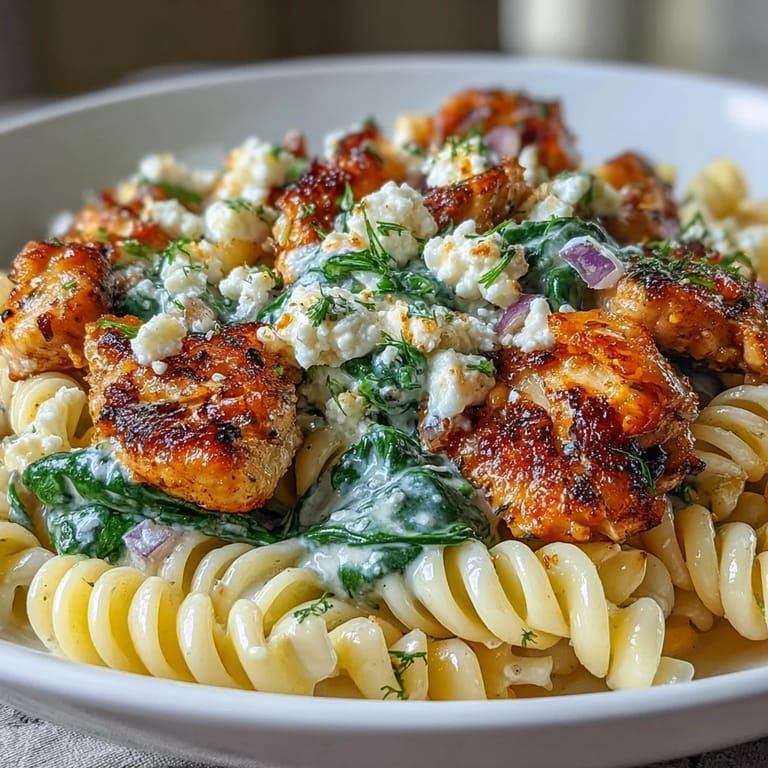
- Transfer to a serving dish or plate directly from the skillet, then garnish generously with fresh lemon wedges and chopped parsley. The lemon wedges are essential—let people squeeze them over their bowls because that fresh hit of acid brings everything into focus.
 Pin It
 There was this moment when my dad took his first bite and just closed his eyes like he was transported somewhere warm and beautiful—and I realized this dish has this quiet power to make people slow down and actually taste their food. That's when I understood it wasn't just about being quick or easy or pretty on the plate, but about creating a moment where Mediterranean sunshine feels possible even in your own kitchen.
Why Feta and Yogurt Make the Perfect Sauce
The combination of tangy Greek yogurt and creamy crumbled feta creates a sauce that's richer than it has any right to be, given how simple the ingredients are. When you stir them together with pasta water, the starches emulsify the fats and acids into something that clings to every piece of pasta like it was made for each other. I used to think you needed cream or butter to get that restaurant-quality texture, but this combination taught me that tradition knows what it's doing—the Mediterranean cooks figured this out centuries ago.
Timing and Temperature Matter More Than You'd Think
Getting the chicken truly golden before removing it isn't just about looks—it's about building flavor through caramelization that will anchor the whole dish. The skillet needs to be hot enough that your marinated chicken sizzles the moment it hits the oil, and then you leave it alone for a minute so it can develop that beautiful crust. Once you're adding the delicate dairy elements, everything shifts to a gentler temperature, which is why the progression matters so much.
Variations and Flexibility
The beauty of this dish is that it's endlessly adaptable without losing its Mediterranean soul, so don't be afraid to make it your own. I've added everything from sun-dried tomatoes to Kalamata olives, swapped in chicken thighs for extra juiciness, and even used whole wheat pasta when I'm feeling virtuous. Just remember the core stays the same—lemon, feta, yogurt, and that moment when everything comes together in the pan.
- Kalamata olives or sun-dried tomatoes: Add a handful to the skillet with the spinach for briny bursts of flavor.
- Chicken thighs instead of breasts: They're more forgiving and stay juicier, though they need an extra minute or two to cook through.
- Whole wheat or gluten-free pasta: Either works beautifully; just follow the package instructions for cooking time.
 Pin It
 This is the meal I make when I want to feel like I'm doing something special without spending all evening in the kitchen, and it never lets me down. Every time someone asks for the recipe, I smile because I know they're about to discover their own Mediterranean kitchen magic.
Recipe FAQs
- → What pasta shapes work best for this skillet?
Short pasta varieties like penne, fusilli, or rotini capture the creamy yogurt-feta sauce beautifully. Their shapes hold the sauce in crevices, ensuring every bite is flavorful. Whole wheat or gluten-free options also work well if you prefer.
- → Can I use chicken thighs instead of breasts?
Absolutely. Boneless skinless chicken thighs stay juicier during cooking and add extra richness. Adjust cooking time slightly—thighs may need 1-2 minutes longer to reach the internal temperature of 165°F.
- → How do I prevent the yogurt sauce from curdling?
Remove the skillet from heat before stirring in Greek yogurt, or keep the temperature on medium-low. The residual heat warms the sauce gently without separating. Adding reserved pasta water helps create a smooth, emulsified consistency.
- → What can I add for more Mediterranean flavor?
Kalamata olives, sun-dried tomatoes, or artichoke hearts complement the Greek profile beautifully. A pinch of cinnamon in the marinade or crumbled ricotta salata instead of feta also enhances authenticity.
- → Can this be made ahead for meal prep?
Yes, though the pasta absorbs sauce as it sits. Store in airtight containers for up to 3 days. Reheat gently with a splash of water or broth to restore creaminess. Avoid freezing—the dairy texture may change.
- → What wine pairs well with this dish?
A crisp Greek white like Assyrtiko cuts through the rich yogurt sauce beautifully. Alternatively, Sauvignon Blanc or Pinot Grigio offers similar acidity. For red wine lovers, a light Pinot Noir works without overpowering the delicate flavors.