 Pin It
 My first bowl of Tom Yum arrived at a wooden table in Bangkok during the monsoon season, steam rising into humid air while the soup's heat cut through the heaviness outside. The broth was alive in a way I'd never experienced before—each spoonful delivered lemongrass brightness, lime sharpness, and a slow burn that made me reach for water and then immediately take another sip. Years later, I realized you don't need to travel to Thailand to capture that moment; a few key ingredients and the right technique bring that exact magic to your own kitchen. Now when I make it, that memory floods back before I even taste it.
I made this for my roommate during her first week living in a new city, when she was homesick and overwhelmed. The soup warmed her hands as much as her mood, and watching her face light up at the first taste reminded me that food doesn't need to be complicated to matter. She asked for the recipe that night, and now it's the one dish she's confident making when friends visit from out of town.
Ingredients
- Chicken or vegetable stock (4 cups): This is your foundation, so choose one with good flavor rather than something bland—it carries everything that comes next.
- Lemongrass (2 stalks): Smash it hard before adding so the cells break open and release their aromatic oils into the broth, which is where the magic lives.
- Kaffir lime leaves (4): These are non-negotiable if you can find them; they add a floral citrus note that regular lime juice simply cannot replicate, though a strip of lime zest works in a pinch.
- Galangal (3 slices): It tastes like ginger's more sophisticated cousin with peppery undertones; if your market doesn't have it, ginger is an acceptable substitute but the flavor profile shifts slightly.
- Thai bird's eye chiles (2): These small chiles pack serious heat, so taste as you go and add more if you enjoy living on the spicy edge.
- Mushrooms (200 g): Any variety works, though oyster or shiitake add deeper umami than button mushrooms, which can feel a bit bland by comparison.
- Tomatoes (2 medium): Cut into wedges rather than chunks so they soften quickly and release their juice into the broth.
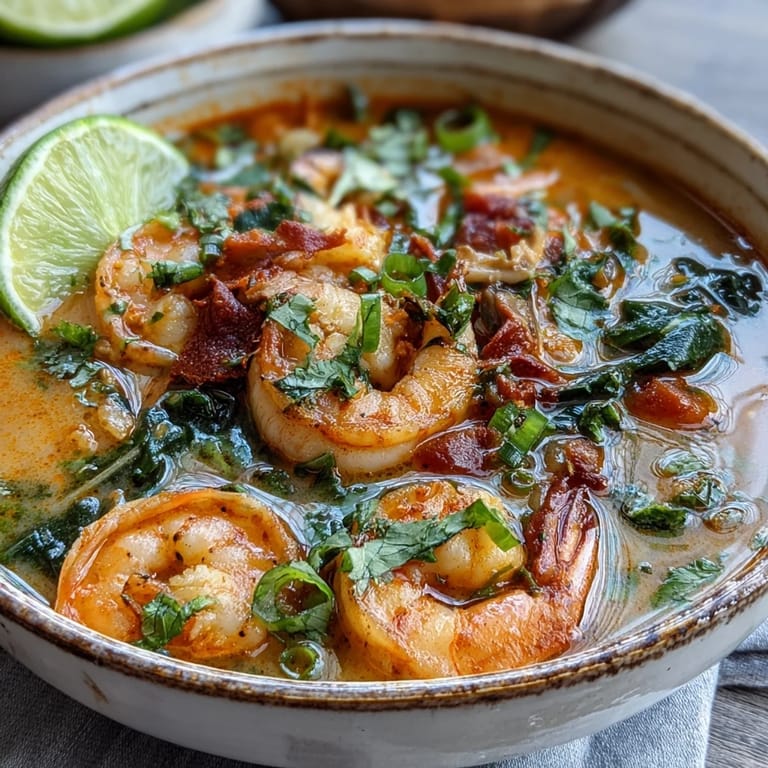
- Shrimp (300 g): Large shrimp stay tender longer than tiny ones, which can turn rubbery in seconds if you're not watching closely.
- Fish sauce (3 tbsp): This ingredient often intimidates people because it smells funky in the bottle, but trust the process—it rounds out the flavors in ways nothing else can.
- Fresh lime juice (2 tbsp): Squeeze it yourself rather than buying bottled; the difference in brightness is immediately noticeable.
- Sugar (1 tsp): This might seem odd in a savory soup, but a tiny amount balances the sourness and heat so nothing feels one-dimensional.
- Cilantro and green onions: These finish the dish with freshness, so use them generously rather than as a modest sprinkle.
Tired of Takeout? 🥡
Get 10 meals you can make faster than delivery arrives. Seriously.
One email. No spam. Unsubscribe anytime.
Instructions
- Build your aromatic base:
- Pour stock into your pot and bring it to a gentle boil, then add the lemongrass, kaffir lime leaves, galangal, chiles, garlic, and onion all at once. Let this simmer for 10 minutes while you prepare the rest—this is when the broth transforms from simple stock into something with character and depth.
- Add vegetables and cook gently:
- Drop in the mushroom slices and tomato wedges, then cook for 5 minutes until the mushrooms turn tender and the tomatoes begin to soften. You'll notice the broth taking on a slightly deeper color as the vegetables release their juices.
- Cook the protein quickly:
- Add your shrimp and simmer just until they curl and turn pink, which takes about 2 to 3 minutes—overcooked shrimp becomes rubbery and loses its sweetness, so set a mental timer and watch closely. If using tofu, add it at the same time but give it another minute since it needs less time than shrimp to warm through.
- Season to your taste:
- Stir in the fish sauce, fresh lime juice, and sugar, then taste a spoonful and adjust—this is where your personal preference takes over, since some people want more heat and others prefer additional sourness. Add the chili paste if you're going for extra complexity and a deeper chile flavor.
- Finish and serve with intention:
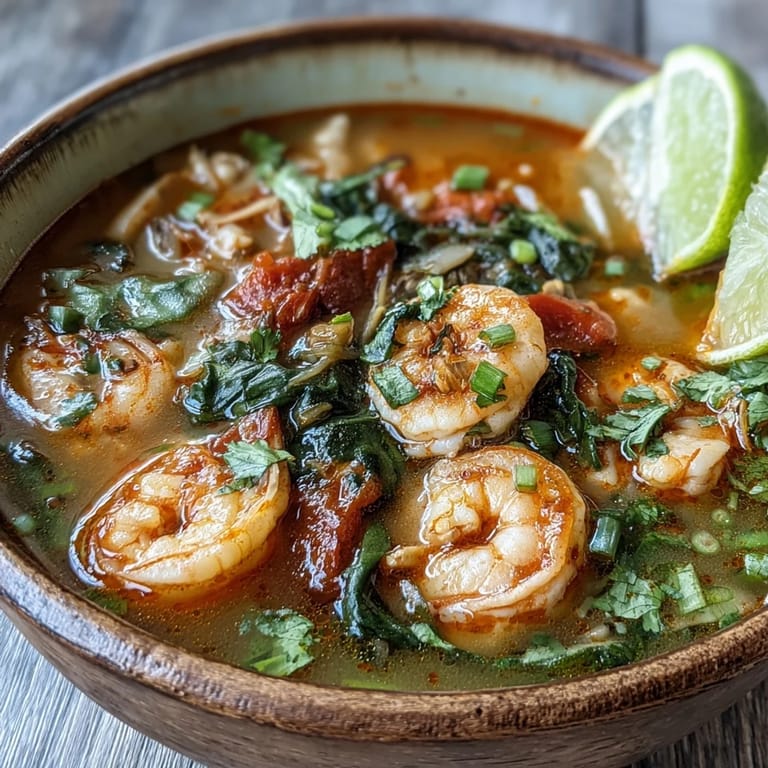
- Ladle the soup into bowls, scatter cilantro and green onions across the top, and set a lime wedge on the rim so people can squeeze it in as they eat. This moment of finishing is your last chance to make it beautiful, so don't rush it.
 Pin It
 There's something almost meditative about watching the broth change color as the aromatics release their oils, especially when the kitchen fills with lemongrass and lime steam. This soup taught me that bold flavors don't require hours of cooking—they require intention and presence, which feels like a lesson worth learning in a kitchen.
Why This Soup Feels Different Each Time
Tom Yum never tastes quite the same twice, not because you're making mistakes but because the ingredients vary slightly—your lemongrass might be more or less fragrant depending on when it was harvested, your chiles' heat changes with variety and season, and even the quality of your broth shifts. This isn't a weakness; it's freedom. Once you understand the basic structure, you start trusting your palate rather than following instructions like a script, which is when cooking becomes less about precision and more about conversation.
Vegetarian and Dietary Variations
Swapping shrimp for tofu is straightforward and changes nothing about the soul of the dish—the broth carries the flavor, not the protein. Using soy sauce instead of fish sauce works, though the umami depth shifts subtly toward saltiness rather than that particular savory-funky complexity that fish sauce provides. The gluten-free nature of this soup means you can serve it to people with different dietary needs without creating a separate meal, which makes it useful when you're cooking for a mixed table.
The Small Details That Matter
Cutting your tomatoes into wedges rather than chunks changes how quickly they soften and how their juice distributes through the broth. Using large shrimp instead of tiny ones gives you a longer window before they overcook, which reduces stress if your stove heats unevenly or your attention wanders. Some people strain out the aromatics before serving, which gives you a cleaner broth, while others leave them in for people to navigate around—both approaches are valid, and it depends on how casual or refined you want the meal to feel.
- Add straw mushrooms or baby corn for texture variation if you want the soup to feel more substantial.
- Pair this with jasmine rice to soak up the flavorful broth and turn a soup into a complete meal.
- Make extra broth and freeze it so your next batch of Tom Yum comes together in half the time.
 Pin It
 This soup has become my answer to the question of what to cook when you want something that tastes restaurant-quality but won't keep you in the kitchen all evening. It's the kind of dish that makes people ask for your recipe and then text you a photo weeks later showing they actually made it, which feels like a small win.
Recipe FAQs
- → What makes Tom Yum taste authentic?
The key aromatics—lemongrass, galangal, kaffir lime leaves, and Thai chiles—infuse the broth with distinct Thai flavors. These ingredients create the signature hot and sour profile that defines this style of soup.
- → Can I make this vegetarian?
Substitute vegetable stock for chicken stock, use firm tofu instead of shrimp, and replace fish sauce with soy sauce. The aromatic base remains the same, delivering authentic flavor.
- → How spicy is this soup?
Two birds eye chiles provide moderate heat. Adjust the amount to your preference—remove seeds for milder warmth or add extra chiles for more intensity. The heat balances nicely with the lime's acidity.
- → What mushrooms work best?
Straw mushrooms are traditional, but button, shiitake, or oyster mushrooms all work well. Slice them thinly so they cook evenly and absorb the aromatic broth.
- → Can I prepare this ahead?
Make the aromatic broth base up to a day ahead and refrigerate. Add the protein and vegetables just before serving to maintain texture and freshness.
- → What should I serve with Tom Yum?
Steamed jasmine rice is the classic accompaniment, helping temper the heat. The soup also pairs well with crispy spring rolls or a simple green papaya salad.