 Pin It
 The first time I arranged cheese on a platter with real intention, I was nervous about making it look intentional rather than accidental. Then I stumbled on this sundial concept while browsing through a design magazine in a coffee shop, and suddenly it clicked—food could be art, and art could still taste incredible. What started as an experiment with a wedge of aged Gouda and a bottle of balsamic became my go-to move for impressing people without actually cooking.
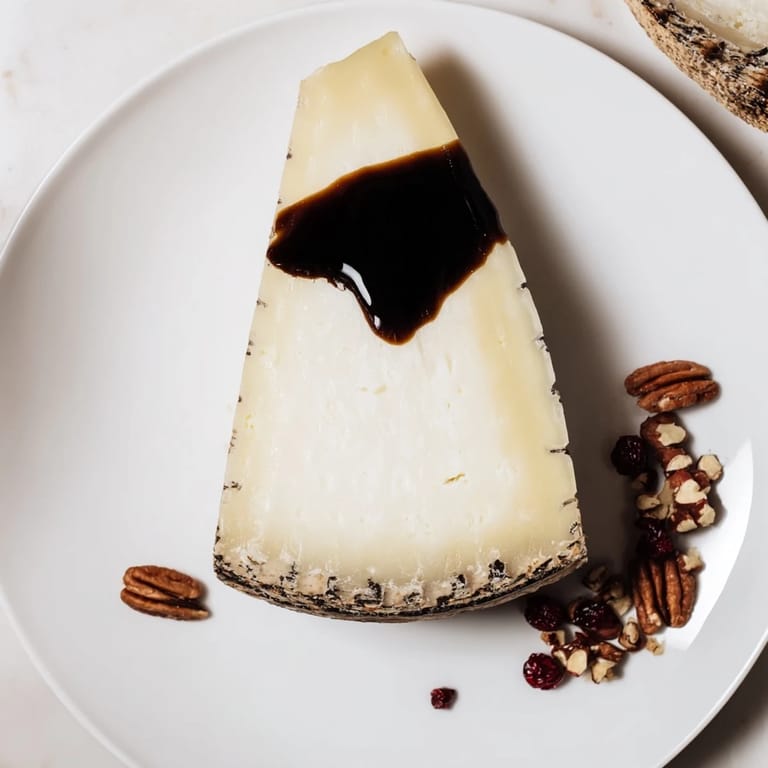
I made this for a dinner party where someone had just complained about appetizers being boring, and honestly, watching their face when they saw the sundial arrangement was worth every penny of the good cheese. The balsamic shadow really does look intentional, like you're some kind of culinary architect, and somehow everyone assumed I'd been planning it for days.
Ingredients
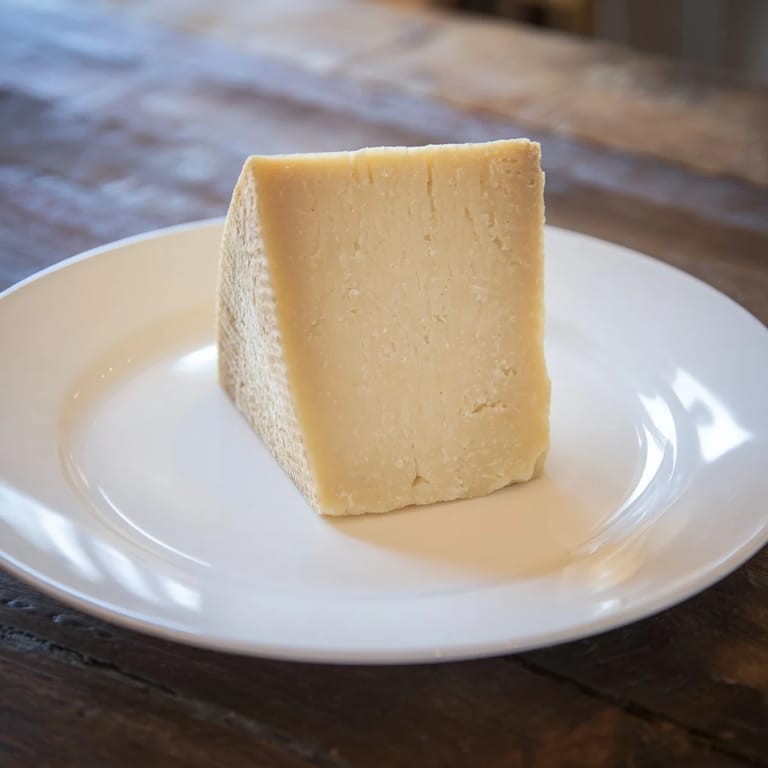
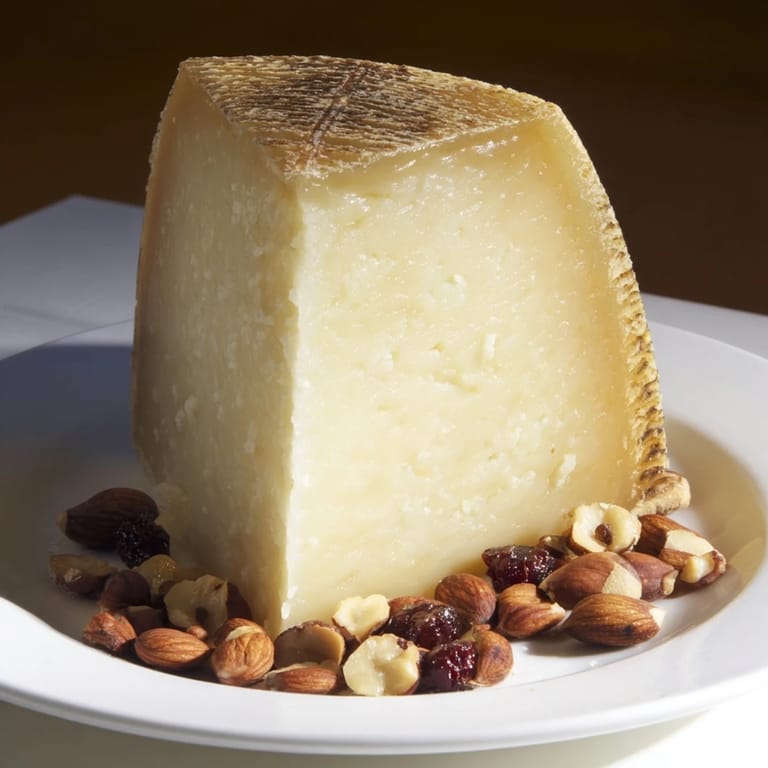
- Aged hard cheese (150 g): Parmigiano-Reggiano, aged Gouda, or Manchego all work beautifully—pick whichever you genuinely love eating, because that's what matters most here.
- High-quality balsamic glaze (3 tbsp): The real stuff makes all the visual difference; it clings to the platter and actually looks like a shadow rather than just a drizzle.
- Roasted almonds (1/3 cup): The mild flavor keeps things balanced among the nuttier varieties.
- Roasted walnuts (1/3 cup): These bring an earthiness that pairs beautifully with aged cheese.
- Roasted pecans (1/3 cup): A touch of buttery sweetness that rounds out the nut cluster.
- Roasted hazelnuts (1/3 cup): The little wild card that adds unexpected depth.
- Dried cranberries (2 tbsp, optional): Pop these in for pockets of tartness and visual interest among the brown tones.
- Fresh grapes, figs, or edible flowers: These garnishes aren't mandatory, but they're the reason people photograph your platter.
Tired of Takeout? 🥡
Get 10 meals you can make faster than delivery arrives. Seriously.
One email. No spam. Unsubscribe anytime.
Instructions
- Position your cheese gnomon:
- Stand that wedge upright in the center of your round platter with the pointed end facing forward—this is your sundial's shadow-casting moment. The angle matters less than the confidence you place it with.
- Create the balsamic shadow:
- Pour the balsamic glaze into a spoon and let it flow outward in one thick, steady line from the cheese tip toward the edge. If it breaks or wobbles, that's character, not a mistake.
- Arrange the hours:
- Cluster your mixed nuts into twelve small piles around the platter in a circle, like numbers on a clock face. Each cluster should feel intentional, even if you're eyeballing the spacing.
- Add the details:
- Tuck dried cranberries into a few nut clusters for color variation, and scatter grapes, figs, or edible flowers in the remaining negative space. This is where it stops looking like an assembly and starts looking like a composition.
- Set out the tools:
- Place cocktail picks or small forks nearby so people can actually access the cheese and nuts without using their hands like it's a free-for-all.
 Pin It
 There was a moment during that same dinner party when someone I barely knew was standing in front of the platter, just staring at it with her drink in hand, before she even tasted anything. She said it made her want to slow down and actually pay attention to what she was eating, and that felt like the whole point.
Why Composition Matters
The magic of this platter lives in the arrangement, not the ingredients themselves. You're essentially making edible architecture, and the symmetry is what catches the eye first. Once people understand that the whole thing is intentional—the sundial, the shadow, the numbers around the edge—they see it less as a cheese plate and more as a statement.
Building Your Nut Clusters
Each cluster should have a mix of all four nuts so that every bite feels varied rather than monotonous. Some people like to keep their clusters uniform and tidy, but I actually prefer a slightly imperfect arrangement where nuts are tumbling slightly over each other—it looks more natural and honest.
Pairing and Serving
This platter sits perfectly alongside dry white wines, crisp Italian reds like Chianti, or even a sparkling option if you're feeling celebratory. The beauty is that it doesn't need anything else—no bread, no crackers, just the cheese, nuts, and fruit speaking for themselves.
- If you're serving this at a longer gathering, keep it in a cool spot and refresh the grapes if they start looking tired.
- For a vegan version, swap in a plant-based hard cheese and the whole thing still works visually and tastes just as good.
- The whole thing takes fifteen minutes to assemble, but people will assume you've been planning it for weeks.
 Pin It
 This platter taught me that sometimes the most impressive thing you can serve isn't about complexity or hours in the kitchen—it's about seeing food as something worth arranging with intention. Every time someone stops to look before they eat, you've already won.
Recipe FAQs
- → What type of cheese works best for the sundial centerpiece?
Firm aged cheeses such as Parmigiano-Reggiano, aged Gouda, or Manchego work best, providing structure and rich flavor.
- → Can I customize the nut clusters?
Yes, mixing different roasted or spiced nuts like almonds, walnuts, pecans, and hazelnuts adds flavor depth and texture variety.
- → How do I create the balsamic shadow effect?
Use a small spoon to drizzle a thick line of high-quality balsamic glaze radiating outward from the cheese wedge to mimic the sundial's shadow.
- → Are there optional garnishes to enhance the platter?
Fresh grapes, figs, edible flowers, or microgreens can be added for color and elegance without overpowering the main elements.
- → What are some good pairings for this cheese platter?
Dry white wines or light Italian reds such as Chianti complement the flavors beautifully, enhancing the tasting experience.