 Pin It
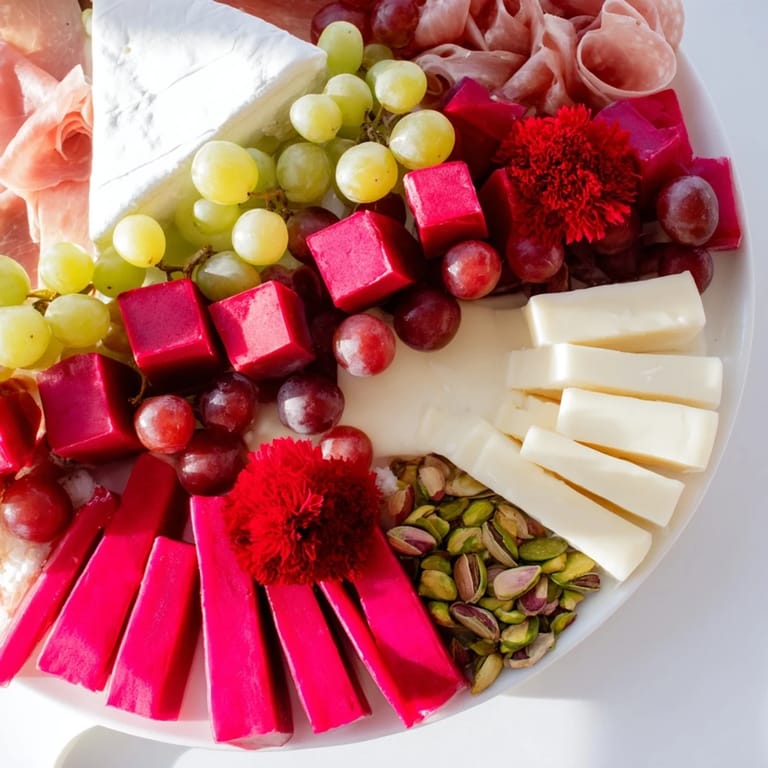
 I'll never forget the moment I first watched The Nutcracker Suite at the local theater—twirling dancers in jewel-toned costumes, glittering stages, and that magnetic sense of wonder. Years later, when I was tasked with creating a show-stopping holiday appetizer, that magical memory came rushing back. I thought: what if I could bring that theatrical elegance to a grazing board? The Nutcracker Suite Board was born that evening, a living centerpiece that feels less like food and more like edible theater. Every color, every arrangement tells a story of that beloved ballet.
I remember serving this board at a holiday party where my grandmother—who studied ballet as a girl—actually teared up. She spent twenty minutes just looking at it, telling stories about performances she'd seen decades ago. That's when I realized this wasn't just about cheese and fruit; it was about creating a moment that transported people. It's one of my favorite kitchen memories, honestly.
Ingredients
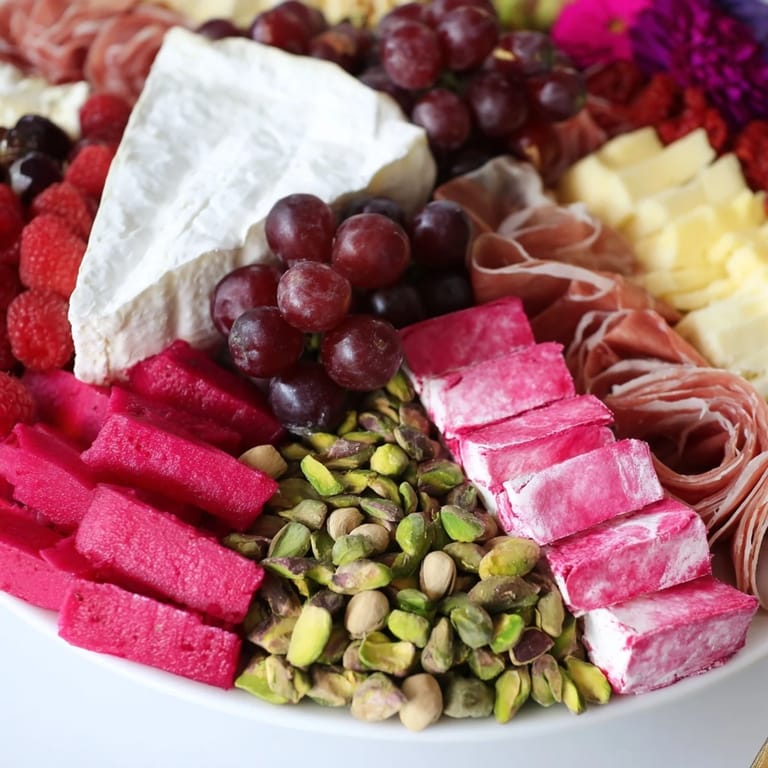
- Brie (white block): The creamy, forgiving foundation—if you've never worked with soft cheese on a board, brie is your friend because it stays elegant even if it softens slightly.
- Aged Cheddar (yellow block): The sharpness cuts through richness and gives you a color that just pops against the darker elements.
- Blue Cheese (blue block): I learned to use this sparingly; a little goes a long way, but those veins are pure color magic on a board.
- Gouda (orange block): Mild enough to please everyone, but that caramel undertone makes it feel special.
- Cranberry Goat Cheese (red/pink block): This is your secret color hero—that dusty rose hue is hard to find anywhere else on a board.
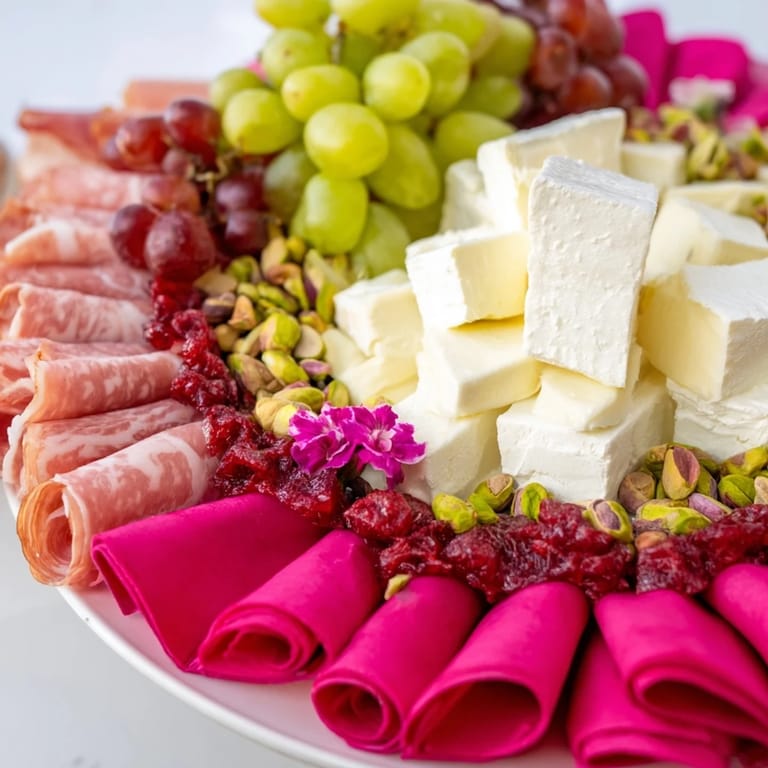
- Prosciutto, Salami, Soppressata (pink to deep red blocks): Thin slicing is everything; thick slices look heavy, but draped thin slices look like silk ribbons.
- Red and Green Grapes (color blocks): I bunch these in small clusters rather than spreading them thin—it creates visual pockets of color.
- Blueberries (blue block): They roll, so nestle them in small bowls or against cheese blocks to keep them from becoming chaos.
- Strawberries, Dried Apricots, Pomegranate Seeds (red to ruby blocks): These are your warmth; they draw the eye and feel festive without trying.
- Marcona Almonds, Pistachios, Candied Pecans (white to brown blocks): Candied pecans are a discovery that changed everything for me—they add sweetness and texture in a way plain nuts never could.
- Olives (green/black block): They add a briny sophistication and, honestly, make it feel more grown-up.
- Crackers and Baguette Slices (neutral block): The foundation layer—without these, it's just cheese; with them, it becomes complete.
- White and Dark Chocolate Bark, Macarons, Petit Fours (sweet blocks): These are your finale notes; people expect savory on a grazing board, so the sweets surprise them in the best way.
- Fresh Rosemary Sprigs and Edible Flowers (green accents): These are theater—they serve almost no actual purpose except to make everything feel intentional and alive.
Tired of Takeout? 🥡
Get 10 meals you can make faster than delivery arrives. Seriously.
One email. No spam. Unsubscribe anytime.
Instructions
- Select Your Stage:
- Choose a large, sturdy board or assemble multiple tiers using cake stands, pedestals, and platters. This is where you set the theatrical tone. The height matters more than you'd think—it draws the eye upward and makes everything feel grander.
- Build the Foundation:
- Begin at the base tier, laying out the neutral elements: crackers, baguette slices, and nuts. These are your underpainting, the quiet support for everything bold that comes next.
- Commit to Color:
- This is the moment where you stop thinking and start arranging by hue. Organize each tier by color, grouping cheeses, charcuterie, fruits, and sweets in distinct sections. Don't let shades drift into each other; each color should have its own territory. This is what makes people stop and stare.
- Feature the Cheeses:
- Arrange cheeses in prominent blocks, cutting some into shapes or wedges to highlight color contrast. A wedge of blue cheese alongside a clean slice of white cheddar creates more visual interest than everything being uniform.
- Drape the Meats:
- Fold or drape charcuterie attractively beside or between cheese sections, maintaining those clear color boundaries. Think of it like fabric in a costume—the way it falls matters.
- Fill with Fruits:
- Layer and cluster fruits by color, creating pockets of visual drama. Red grapes bunch together, blueberries nestle in small bowls so they don't scatter, pomegranate seeds jewel the surface.
- Add the Sweet Notes:
- Place nuts, olives, and sweets in complementary color groups, creating a sense of abundance without chaos. Every element should feel intentional, like it was placed exactly where it needed to be.
- Finish with Flourish:
- Garnish with fresh rosemary sprigs and edible flowers for festive flair. These aren't extras; they're your final brushstrokes, the thing that transforms a very good board into an unforgettable one.
- Serve with Intent:
- Serve immediately, ensuring each tier is stable and accessible. Take a moment to step back and look at what you've created before guests arrive. You've just built something beautiful.
 Pin It
 There was this one dinner party where a quiet guest I'd never seen laugh much before spent half an hour talking about how the board reminded them of visiting Vienna as a child. Food became the bridge to a memory they'd cherished for thirty years. That's the moment I understood—these boards aren't really about the cheese.
Customizing to Your Story
The Nutcracker Suite Board is a template, not a rule. For a vegetarian celebration, omit all meats and add marinated vegetables, roasted vegetables, or more varieties of cheese. For a color theme matching your party or favorite Nutcracker characters—Sugar Plum Fairy pastels, Russian dance jewel tones—let that guide your choices. The magic isn't in following the recipe exactly; it's in making it your own while keeping that theatrical color structure intact.
Pairing for the Perfect Moment
A board like this deserves accompaniment that respects its elegance. Sparkling wine is the obvious choice, but I've found light reds work beautifully too, especially if you're featuring darker cheeses. For non-alcoholic options, herbal tea—chamomile, festive holiday blends—adds a sophisticated touch without competing with the flavors. The pairing matters because it turns dinner into an experience, not just eating.
The Technical Magic Behind the Magic
Height is your secret weapon: risers, cake stands, pedestals, and even overturned bowls beneath platters create visual drama that single-level boards simply can't achieve. It makes people actually look up, which somehow makes everything taste better. Use cheese knives and spreaders so guests can cut what they need without chaos. Small bowls for olives and nuts keep them from rolling everywhere. Tongs or small forks for harder items feel more elegant than fingers. These small details are what make a board feel intentional rather than thrown together.
- Prep cheeses and meats in the morning, then assemble no more than 2 hours before serving for peak freshness and flavor.
- Keep a spare small bowl of nuts or extra fruit nearby to refresh the board if any section starts to look depleted during the party.
- Photograph the board before anyone touches it—that moment of perfect completion is worth capturing.
 Pin It
 Building this board is like creating a small edible ballet on your table—every element in its place, every color telling a story. It's the kind of food that reminds people why they love gathering together in the first place.
Recipe FAQs
- → How do I assemble a multi-tiered grazing board?
Use cake stands, pedestals, or overturned bowls beneath platters to create height. Begin with a sturdy base tier and carefully layer color-themed sections above for an elegant display.
- → What cheeses work best for color-blocking?
Choose varieties with distinct colors such as brie (white), aged cheddar (yellow), blue cheese (blue), gouda (orange), and cranberry goat cheese (pink/red) to create vibrant sections.
- → Can this board accommodate vegetarian preferences?
Yes, omit charcuterie and increase portions of cheese, marinated vegetables, and roasted nuts to maintain abundance and flavor variety.
- → What garnishes enhance the festive look?
Fresh rosemary sprigs and edible flowers add greenery and color pops, making the board look more festive and appealing.
- → How should the board be served and stored?
Serve immediately after assembly to ensure freshness and stability. Keep chilled if preparing in advance, and cover loosely to prevent drying out.