 Pin It
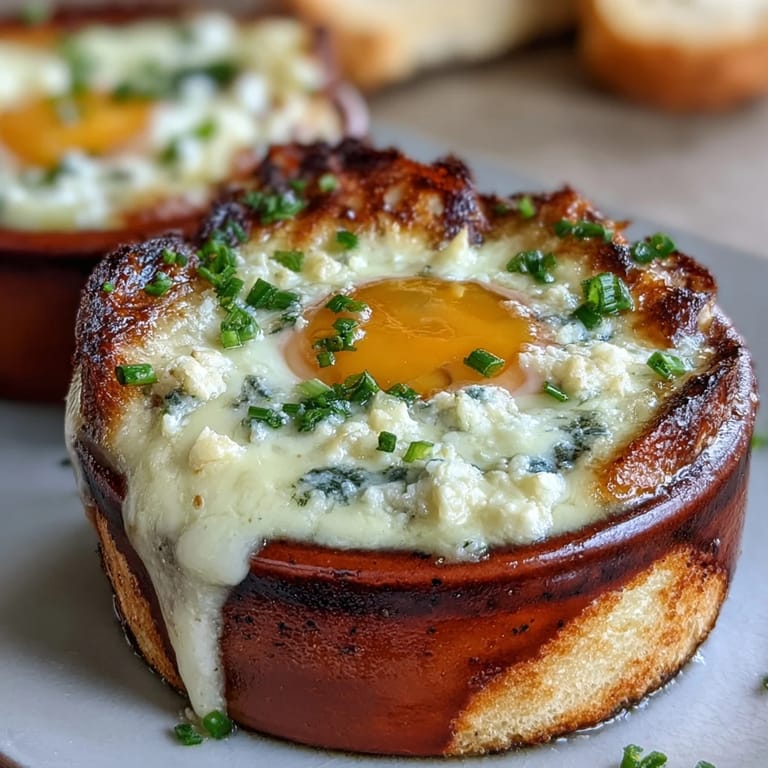
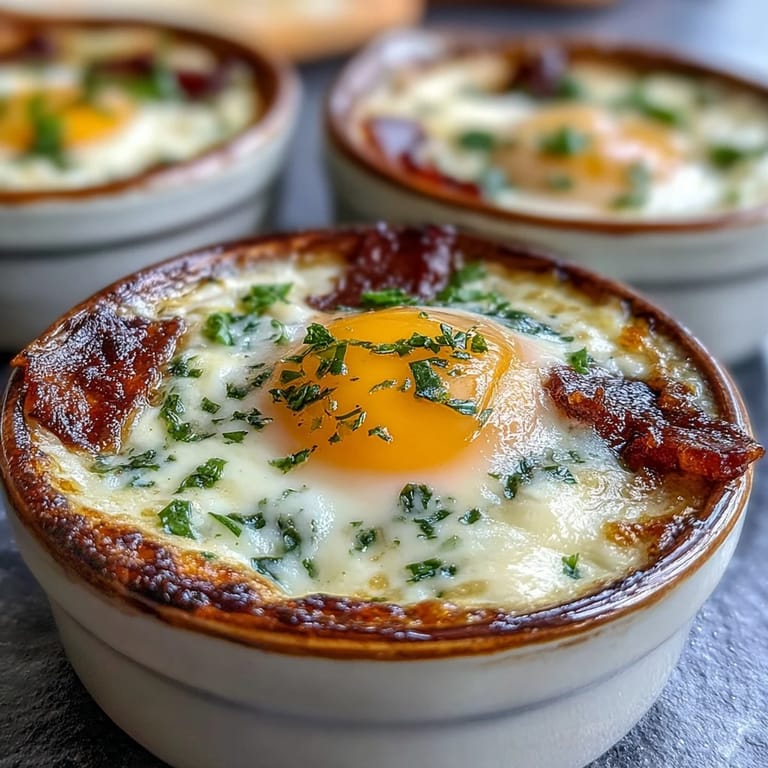
 When I first attempted Easter Eggs en Cocotte, I didn’t plan on it becoming the centerpiece of my spring brunch. The gentle clink of ramekins as I arranged them on the counter mixed with the bright scent of fresh herbs, making the whole kitchen hum with energy. I hadn’t intended anything too grand, but there’s something about the perfume of melted butter and just-baked eggs that stirs up anticipation. Every time the cream sizzled under the broiler, it felt like an elegant secret unfolding. That first spoonful—soft yolk tumbling into cream—had me swooning before I even realized I’d fallen in love with cocottes.
There was one time I made a tray full of these for brunch with my cousin, and we ended up eating them straight out of the oven, crowded around the counter, debating which herb tasted brightest. The windows were fogged from morning rain, and honestly, the only thing we cared about was dipping crusty bread into those luscious yolks. The laughter and butter smears on the plates outshone any fancy table setting that day.
Ingredients
- Unsalted butter: I always go with unsalted so I can control the seasoning—greasing the ramekins generously means the eggs lift out perfectly.
- Heavy cream: Pouring it in first guarantees that irresistibly silky custard base, and I sometimes warm it lightly to keep the eggs gentle.
- Grated parmesan cheese: The edge of sharp, salty cheese brings out flavor in the eggs and delivers a golden-bubbly finish.
- Large eggs: Use the freshest you can find if you want those sunny, stand-tall yolks—crack them in a small bowl first to avoid shell mishaps.
- Chopped fresh chives: Snip them right before adding for the biggest flavor punch.
- Chopped fresh parsley: Adds a grassy brightness that lightens the richness of the cream and cheese.
- Fresh thyme leaves: I pick the tiny leaves off the stem just before baking for their woodsy aroma.
- Salt and freshly ground black pepper: Don’t forget to season between layers—you’ll notice the difference in every bite.
- Optional: Extra chives or parsley: A sprinkle at the end makes them feel festive and fresh.
Tired of Takeout? 🥡
Get 10 meals you can make faster than delivery arrives. Seriously.
One email. No spam. Unsubscribe anytime.
Instructions
- Warm up the oven:
- Preheat it to 375°F (190°C), and let the quiet hum remind you something special is on the way.
- Butter the ramekins:
- Use your fingers to work butter into every corner—it's worth the little extra effort for that slide-out finish.
- Add creamy base:
- Spoon two tablespoons of heavy cream into each ramekin, listening for the soft splash as it hits the glass.
- Layer herbs and cheese:
- Scatter half the chives, parsley, thyme, and parmesan into each ramekin so the fragrance rises as soon as heat meets the mixture.
- Crack in the eggs:
- Crack two eggs at a time into a cup for control, then tip them into each ramekin—try not to break those golden yolks.
- Season and finish topping:
- Dust with salt and pepper, the rest of your herbs, and another shower of parmesan, then top each with a dainty knob of butter.
- Get ready for the bath:
- Nestle ramekins in a baking dish and carefully pour boiling water around them halfway up—steam will coax the eggs to perfect tenderness.
- Bake just right:
- Watch with anticipation for 12–15 minutes, until the whites are just set and the yolks jiggle in the center (add a couple more minutes if you like them firmer).
- Rest and garnish:
- Lift out the ramekins carefully, let them stand two minutes, then scatter more fresh herbs over if you fancy a final flourish.
 Pin It
 The first time my niece tried these, she scooped up a wobbly egg with the tiniest grimace, then beamed after the taste—she asked for seconds and, honestly, I'd never been more proud of a breakfast win.
Making It Your Own
Don't be afraid to tuck in little surprises under the eggs if you're feeling creative—a spoonful of sautéed spinach or a ribbon of smoked salmon brings a hearty twist. I sometimes switch the herbs up according to what survived in the fridge, and swapping parmesan for a tangy goat cheese completely changes the mood of the dish.
The Art of Serving Cocottes
I’ve learned guests love how the personal portions feel—set the ramekins right on the table atop a little napkin, and let everyone dig in. A few slices of warm brioche or baguette on the side guarantee those creamy yolks will never go to waste.
Troubleshooting and Last-Minute Joys
If you ever see water sneaking into a ramekin, don’t panic—it happens to all of us, just spoon it off before serving and no one will know. Even a less-than-perfect cocotte is still better than skipping brunch altogether, and the aroma drifting from the oven is half the reward anyway.
- If you like a firmer yolk, add a couple minutes to the bake time and test with a gentle poke.
- Try mixing herbs right into the cream so their fragrance infuses every bite.
- Always double-check ramekins for cracks to prevent any watery surprises!
 Pin It
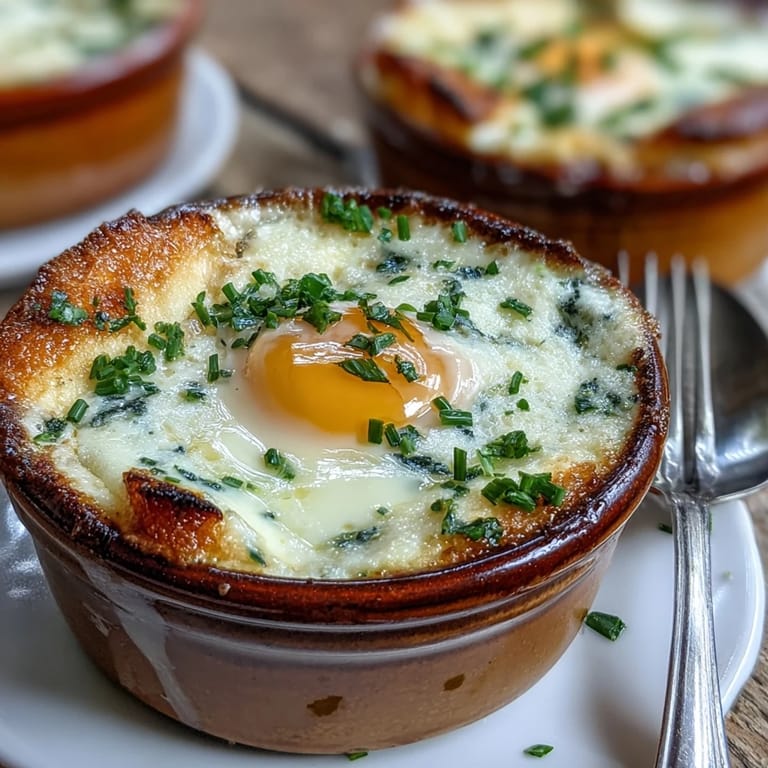
 Easter Eggs en Cocotte may seem fancy, but after a few tries, you’ll find yourself making them for any occasion that deserves a little extra joy. Spoon, dip, and savor every bite—brunch is never really just about the food.
Recipe FAQs
- → Why use a water bath?
A water bath (bain-marie) ensures gentle, even heat around the ramekins so whites set without overcooking yolks, producing a silky custard texture.
- → How can I get runny yolks?
Bake for about 12 minutes at 375°F (190°C) and check early—oven times vary. Remove when whites are set but yolks still jiggle slightly for creamy, runny centers.
- → What cheese swaps well for parmesan?
Gruyère or goat cheese both add richness and melt well; use grated or crumbled forms to integrate into the custard without overpowering the herbs.
- → Any vegetarian considerations for the cheese?
Parmesan can contain animal rennet; look for vegetarian-labeled Parmesan or choose a vegetarian-friendly hard cheese to keep the dish suitable for lacto-vegetarians.
- → Can I add other ingredients in the ramekin?
Yes—slices of smoked salmon, sautéed spinach, or mushrooms can be layered under the eggs for extra flavor and texture; ensure any fillings are warm or pre-cooked.
- → How to reheat leftovers without overcooking?
Gently warm individual portions in a low oven (300°F/150°C) for a few minutes or use a water bath to slowly bring temperature up, preserving texture and avoiding rubbery whites.